Dots, Stripes & Spirals
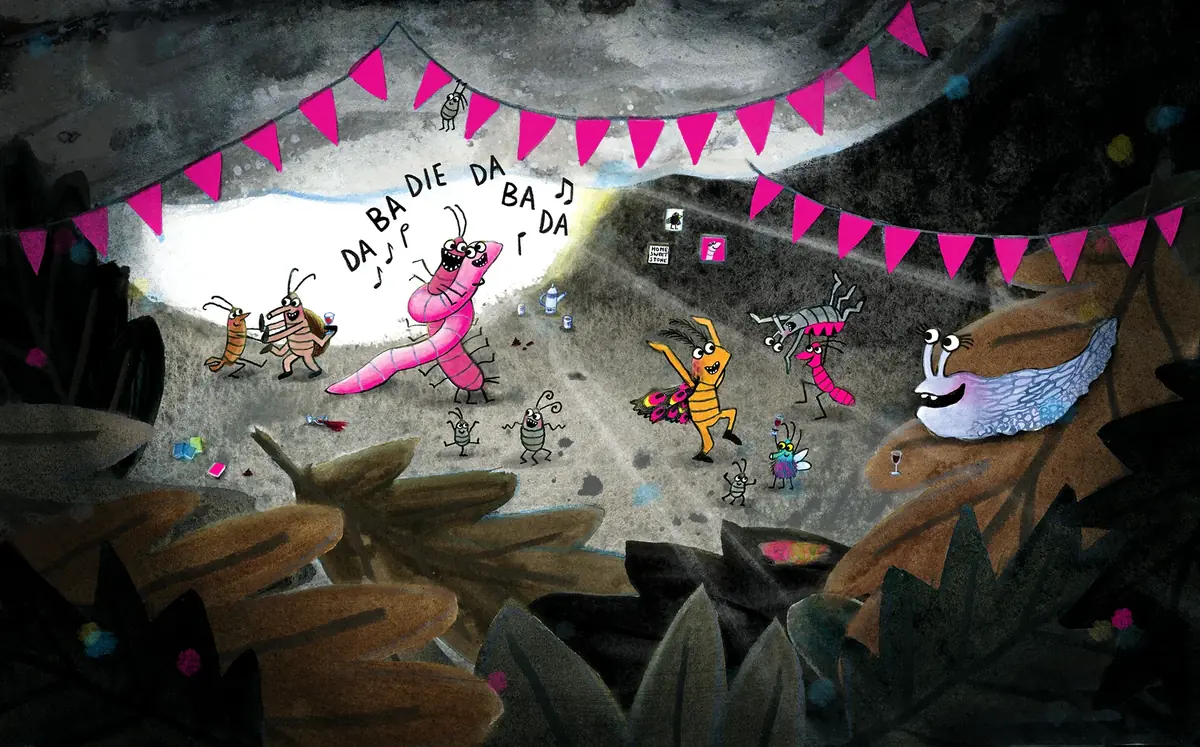
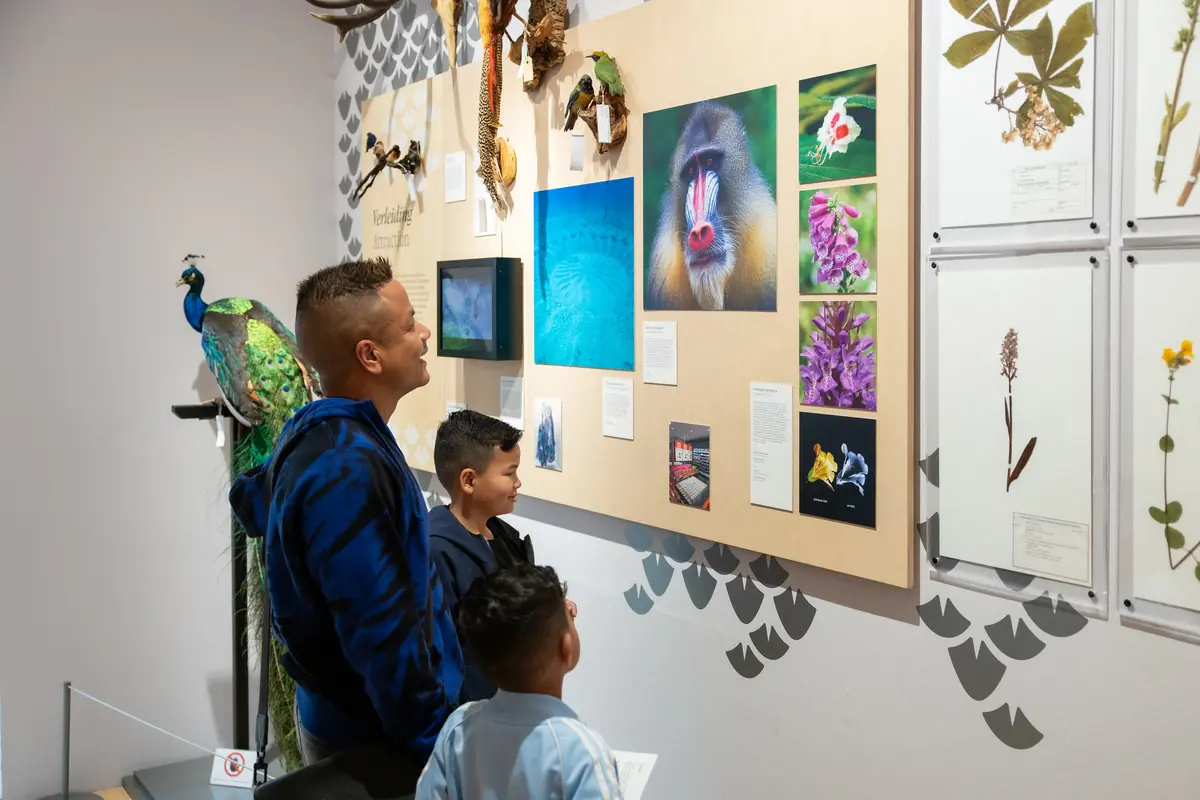
Family exhibition exploring nature's patterns: why zebras have stripes, ladybirds have spots, and snail shells have spirals.
The Natuurhistorisch Museum Rotterdam is housed in a historic building in the Museumpark and covers natural history from prehistoric fossils to present-day plants and animals. Its collection includes the famous whale skeleton 'Wendy' and an extensive insect collection. Alongside its permanent displays, the museum regularly hosts temporary exhibitions and educational programmes.
Westzeedijk 345(Museumpark)

Family exhibition exploring nature's patterns: why zebras have stripes, ladybirds have spots, and snail shells have spirals.

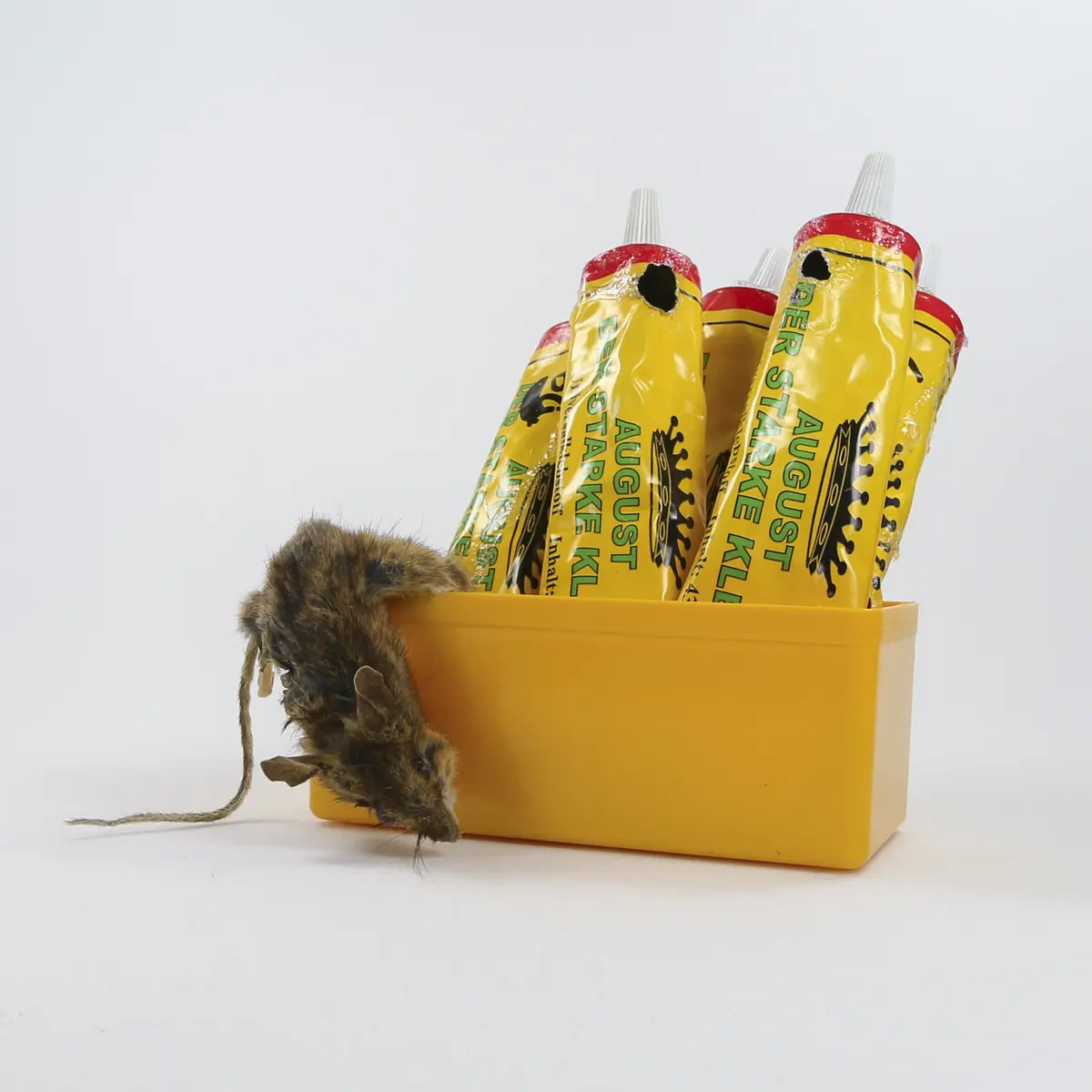
The Natural History Museum Rotterdam displays twelve remarkable mice from its collection in a compact exhibition.

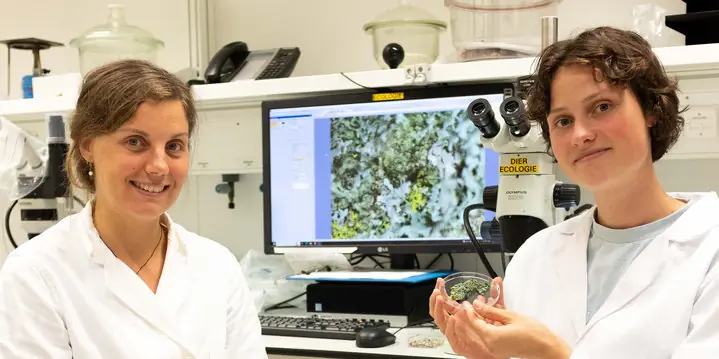
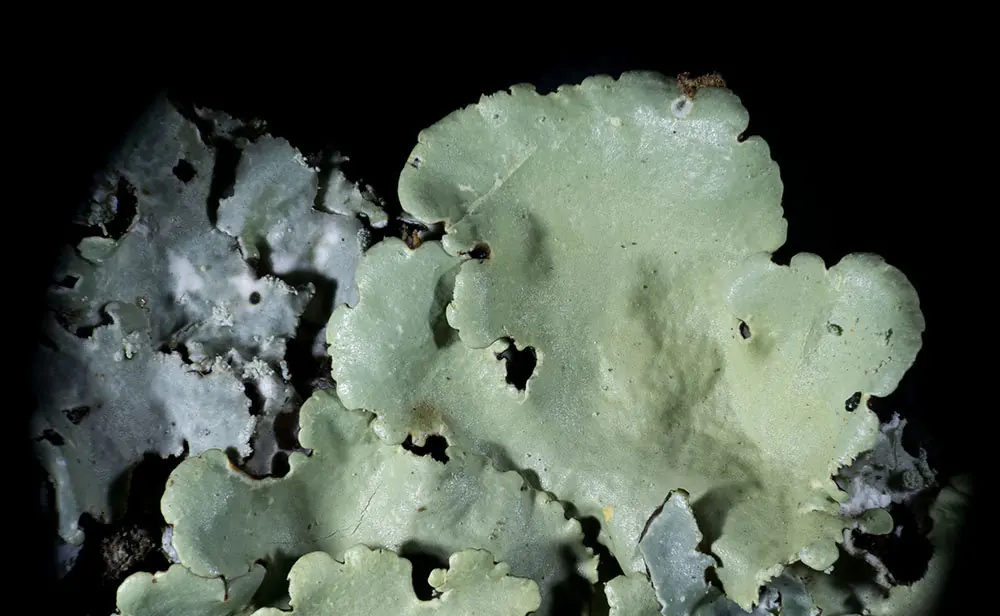
An exhibition exploring the fascinating miniature world of lichens, featuring works by artists Suzette Bousema and Ingeborg Klarenberg at the Natuurhistorisch Museum Rotterdam.

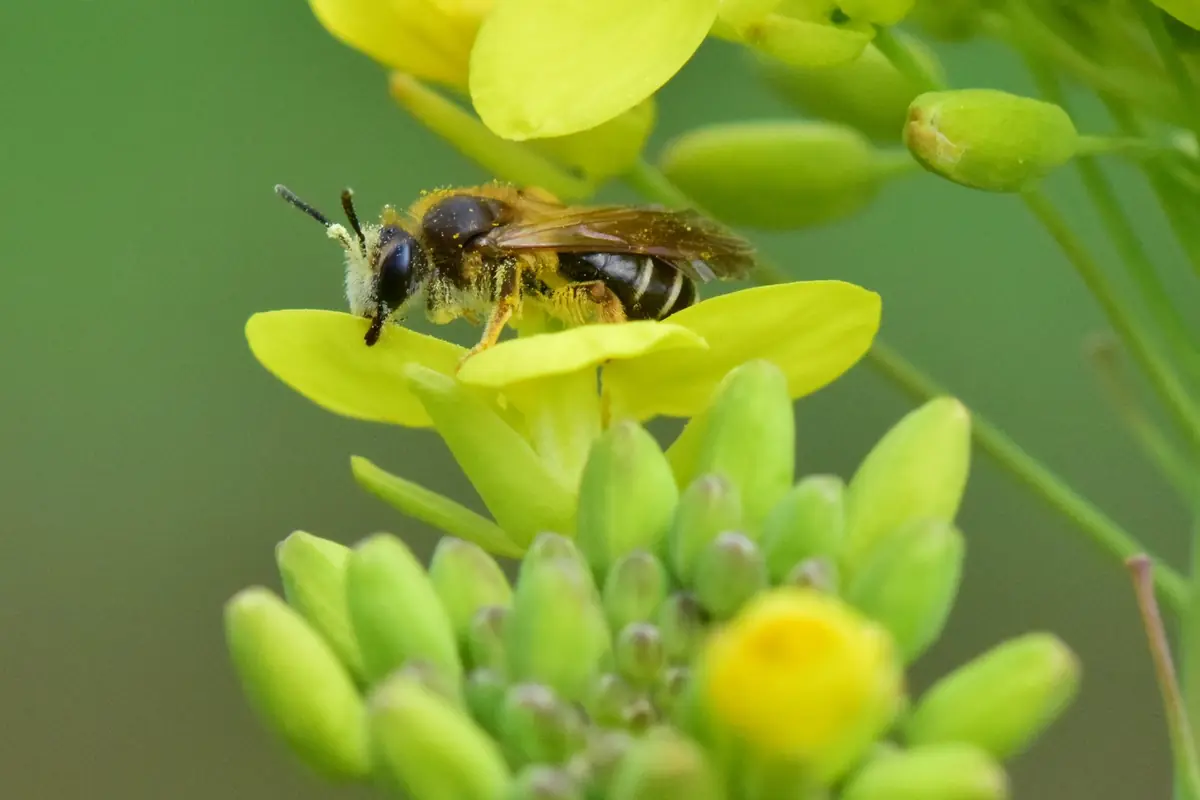
Researcher Constant Swinkels explores how wild bees thrive together on flower-rich dikes.

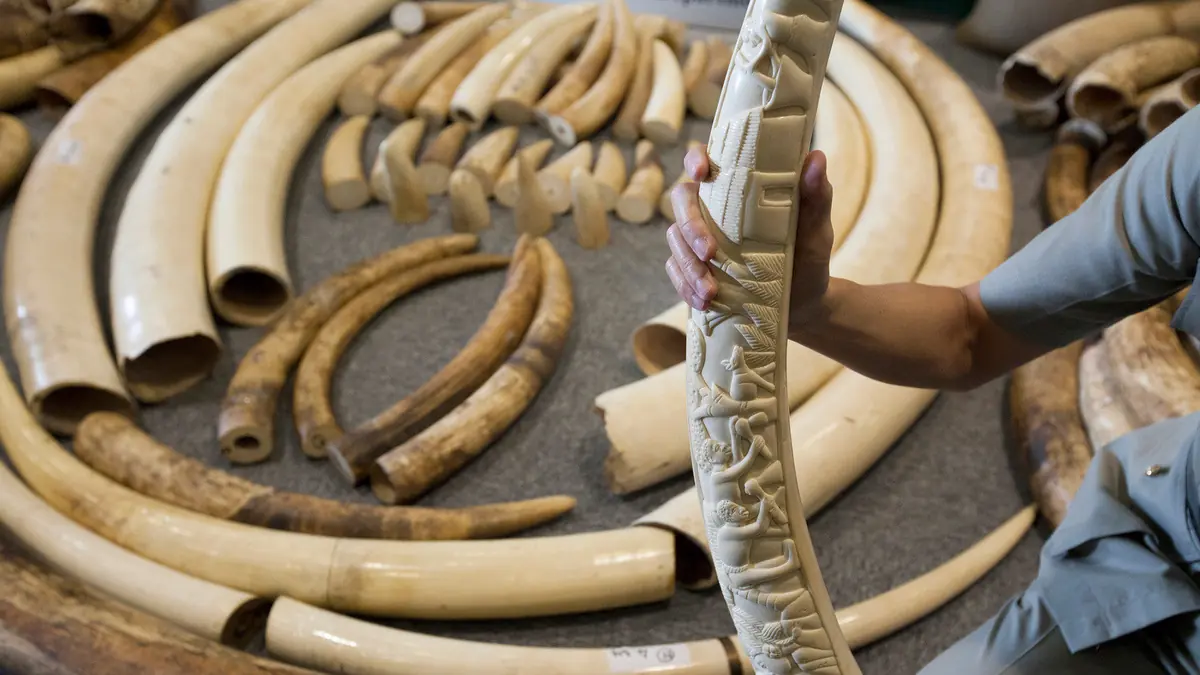
Forensic expert Andro Vos explores illegal wildlife trafficking, poaching and smuggling, and how forensic investigation exposes these crimes.

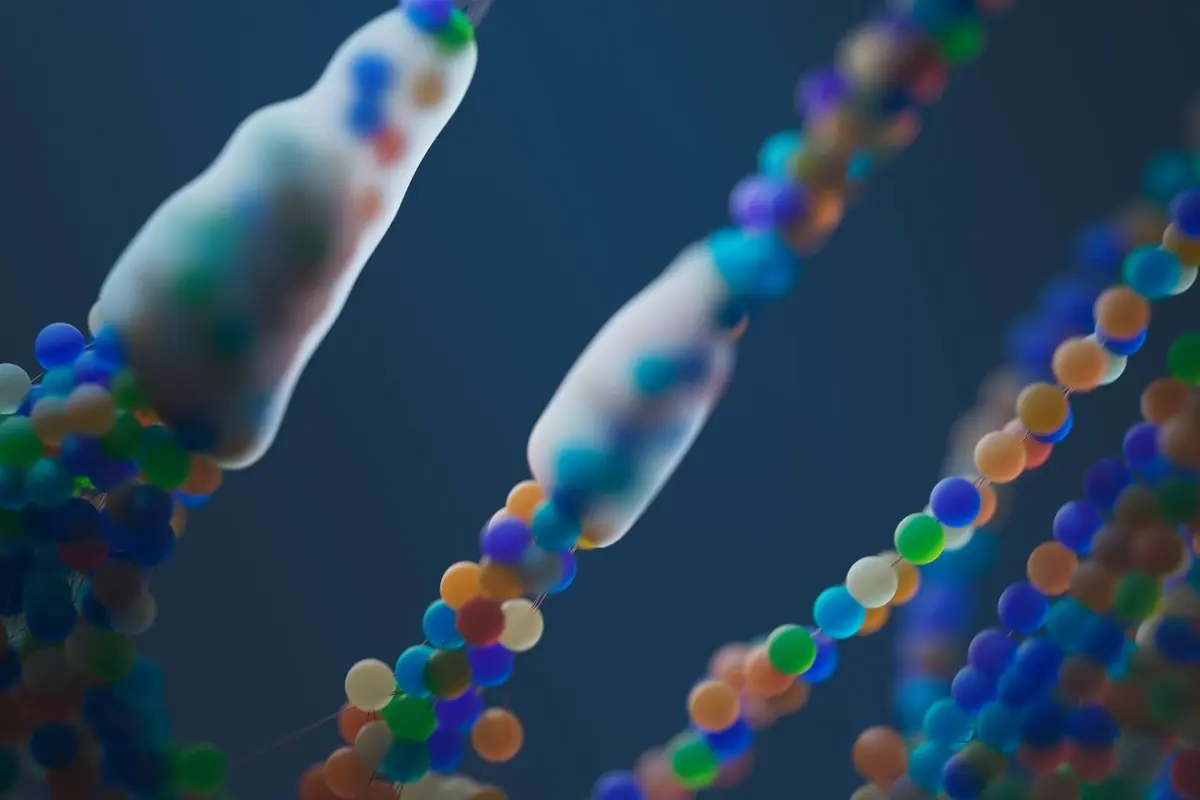
Young DNA researchers from Erasmus MC give mini-lectures on DNA during the Weekend of Science at the Natural History Museum Rotterdam.

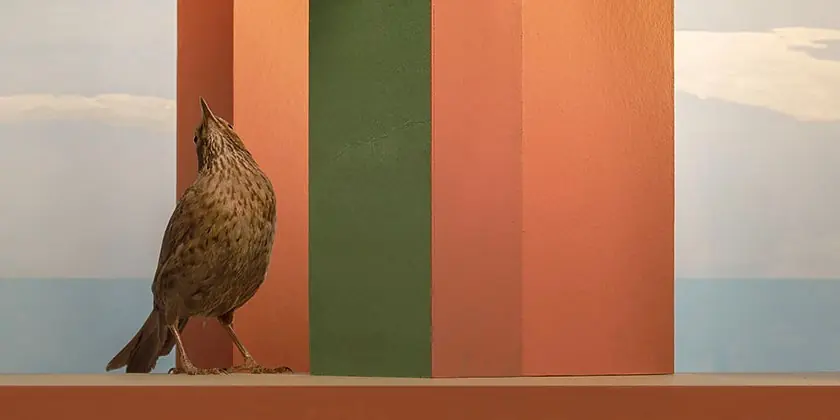
Photographer Hans van Asch presents his striking bird still lifes at the Natural History Museum Rotterdam, exploring how birds behave in artificially constructed settings.

Scientist Ingeborg Klarenberg unveils the fascinating miniature world hidden within lichens, teeming with fungi, algae, bacteria and microscopic creatures.

A children's read-aloud activity featuring 'The Greatest Journey Ever' by Loes Riphagen, followed by independent exploration of the Natuurhistorisch Museum Rotterdam.

Children's guided tour exploring dots, stripes and spirals in nature. Discover the clever secrets behind natural patterns.

Photography exhibition exploring what a beached whale might reveal, with works by Karlijn van Diepen at the Natural History Museum Rotterdam.